
When cold and flu season hits, most of us focus on recovering from congestion, fever, and body aches. However, many people don’t realize that being sick can significantly impact their oral health. Understanding how illness affects your teeth and gums can help you maintain a healthy smile even when you’re under the weather.
How Being Sick Impacts Your Oral Health
Does being sick affect your oral health? Absolutely. When you’re fighting a cold or flu, several factors can compromise your dental health:
Dry mouth is one of the most common issues during illness. Dehydration from fever, reduced fluid intake, and certain medications can decrease saliva production. Since saliva naturally cleanses your mouth and neutralizes harmful acids, a lack of it leaves your teeth vulnerable to decay and can contribute to bad breath when sick.
Mouth breathing due to nasal congestion further dries out your mouth, creating an environment where bacteria thrive. Additionally, sinus pressure can cause discomfort in your upper teeth, making them feel sensitive or achy even when there’s no actual dental problem.
Vomiting from stomach flu presents another serious concern. Stomach acid is extremely harsh and can cause significant acid erosion and enamel damage when it contacts your teeth repeatedly.
Taking Care of Your Teeth When You Have the Flu
Maintaining dental care during cold and flu season requires a few adjustments to your normal routine. Here’s how to take care of your teeth when you have the flu:
Stay hydrated by drinking plenty of water throughout the day. This helps maintain saliva production and rinses away bacteria and debris from your mouth.
Be mindful of medications. Many cough drops and liquid medicines contain sugar that coats your teeth. Opt for sugar-free lozenges when possible, and rinse your mouth with water after taking cough syrup or other sweet medications.
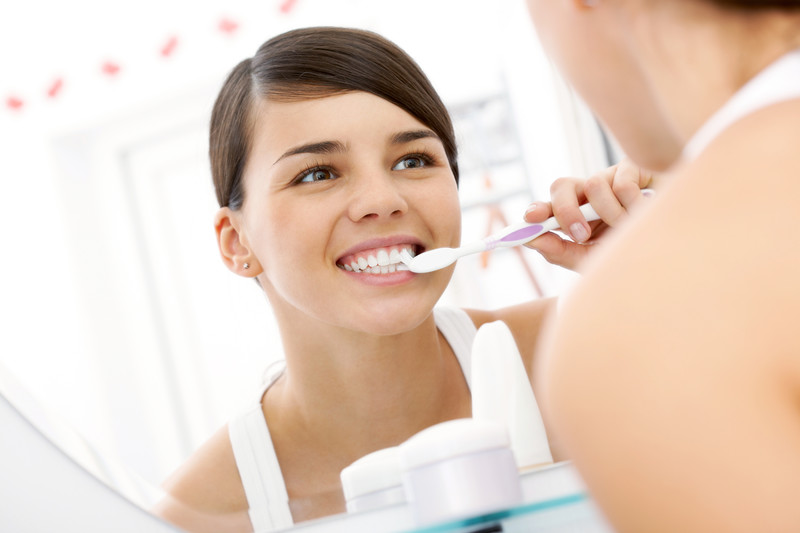
Practice gentle brushing. Continue brushing twice daily, but if your gums are sensitive or you’re experiencing sinus pressure, use a softer touch and consider a sensitivity toothpaste.
Special Considerations for Vomiting
Should I brush my teeth after throwing up? This is a common question, and the answer might surprise you. Wait to brush after vomiting—ideally for at least 30 minutes. The stomach acid temporarily softens your enamel, and brushing immediately can actually cause more enamel damage by scrubbing away the weakened surface.
Instead, try these protective measures:
– Rinse your mouth thoroughly with water immediately after vomiting
– Use a baking soda rinse (one teaspoon in a cup of water) to neutralize acid
– Try a saltwater rinse to soothe your mouth and reduce bacteria
– After 30-60 minutes, gently brush your teeth as usual
Post-Illness Dental Care
Protecting teeth when sick doesn’t end when your symptoms improve. Once you’ve recovered, replace your toothbrush to avoid reinfecting yourself with lingering germs. Your toothbrush can harbor bacteria and viruses, so starting fresh is essential for both your overall health and oral health when sick.
If you experienced frequent vomiting or took medications that affected your mouth, consider scheduling a check-up with our team at Barrington Grove Dental. Dr. Robert Passehl can assess whether your illness caused any dental issues that need attention.
When to Seek Emergency Dental Care
While most cold and flu-related dental concerns resolve on their own, certain situations warrant immediate attention. If you experience severe tooth pain, a cracked or broken tooth, or a dental abscess while sick, don’t wait. Our emergency dental services are available to address urgent issues that can’t wait until you’re feeling better.
Remember, maintaining oral health when sick is just as important as your regular dental routine. By following these simple steps for dental care during cold and flu season, you’ll protect your smile while your body fights off illness. If you have concerns about how your recent illness may have affected your teeth, call Barrington Grove Dental at (847) 382-0818 to schedule an appointment with Dr. Passehl.






Leave A Comment